• Charging solutions
    • Home Charging
    • Fleets at Work & Home
    • Apartments & Landlords
    • House Builders
    • Business & Workplace
    • Commercial Charging
  • Products
    • Zaptec Go Home Charger
    • Zaptec Go 2 Home & Commercial Charger
    • Zaptec Pro Commercial Charger
    • Zaptec Sense Load Balancing
    • Zaptec App
    • Zaptec Portal
    • Accessories
  • Partners
    • Become a partner
    • Existing partners
    • Partner webshop
    • Documents & manuals
    • Training courses
    • Partner marketing material
    • Integrations with Zaptec
  • Resources
    • EV Charging Insights Blog
    • Case studies
    • Learn about Vehicle-to-Grid (V2G)
    • Government chargepoint grants
    • The Zaptec Index
    • Industry news
    • Inside Zaptec
  • Company
    • About us
    • Our journey
    • Quality and safety
    • Sustainability commitments
    • Investor Relations
    • Careers
  • Contact

Explore our solutions

Charging solutionsCharging solutions
Documents and manualsDevelopersZaptec portalPartnersInvestor relationsPress0808 175 4780SupportCookie PolicyPrivacy Policy
FacebookInstagramLinkedInTikTokYouTube

Vehicle-to-home (V2H) explained

Think of vehicle-to-home as turning your electric car into the biggest battery in the house.
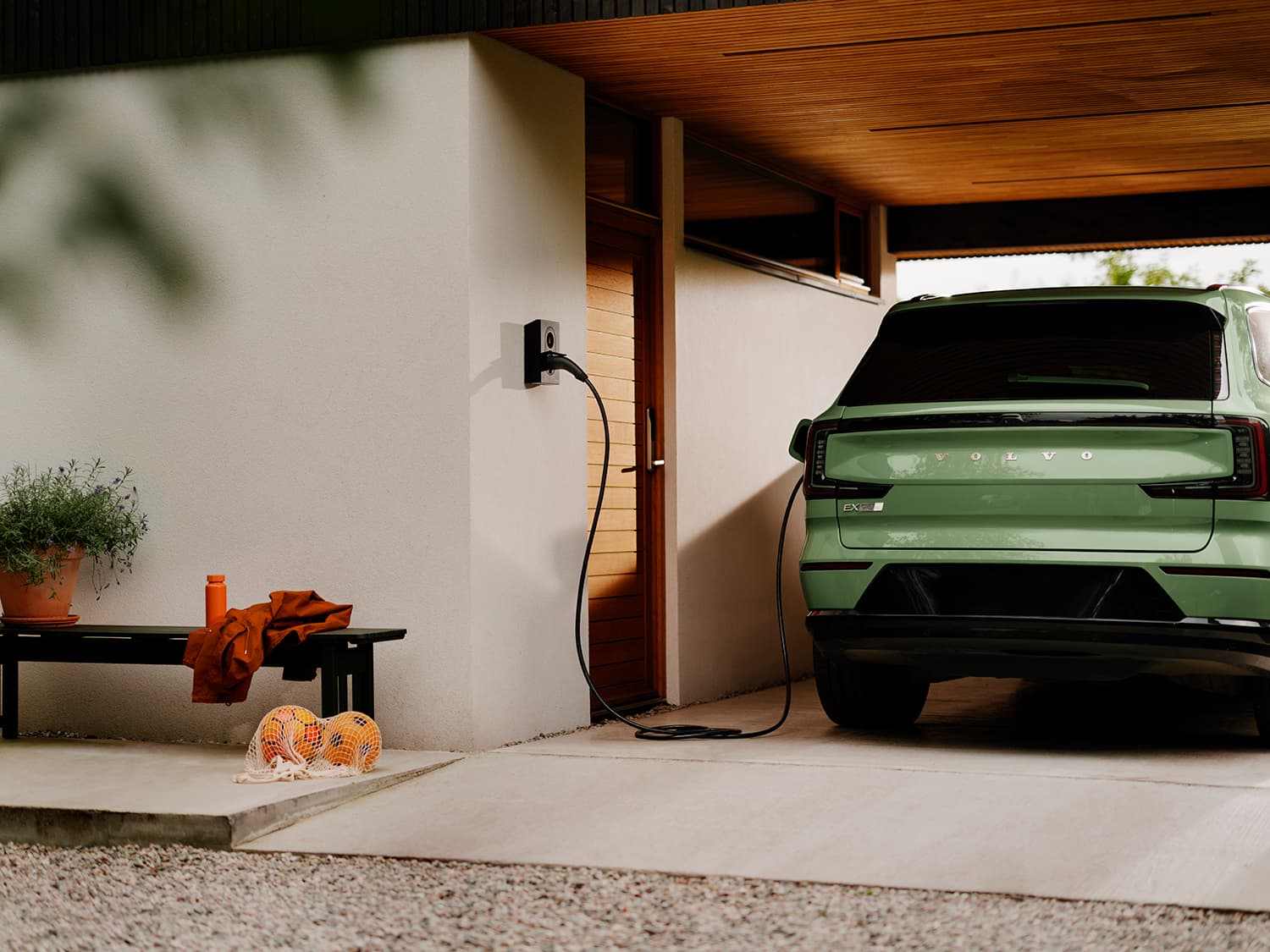
Rear of green Volvo charging with Zaptec Go 2 home charger on white wall, bench with orange jacket and footballs nearby.

What is vehicle-to-home?

Vehicle-to-home (V2H) lets your electric car power your house. The car charges when electricity is cheap or plentiful, then discharges to run your home at peak times, behaving like a large home battery. Importantly, it keeps energy on your side of the meter and does not export to the public grid

How V2H works
A bidirectional charger draws stored energy from the car battery and feeds it into your home's electrical system, so the house runs off the car instead of the grid. Pair it with a smart, time-of-use tariff and the system charges the car when power is cheapest, then leans on that stored energy at the expensive times of day. The savings come from the gap between cheap and peak prices, not from selling anything.

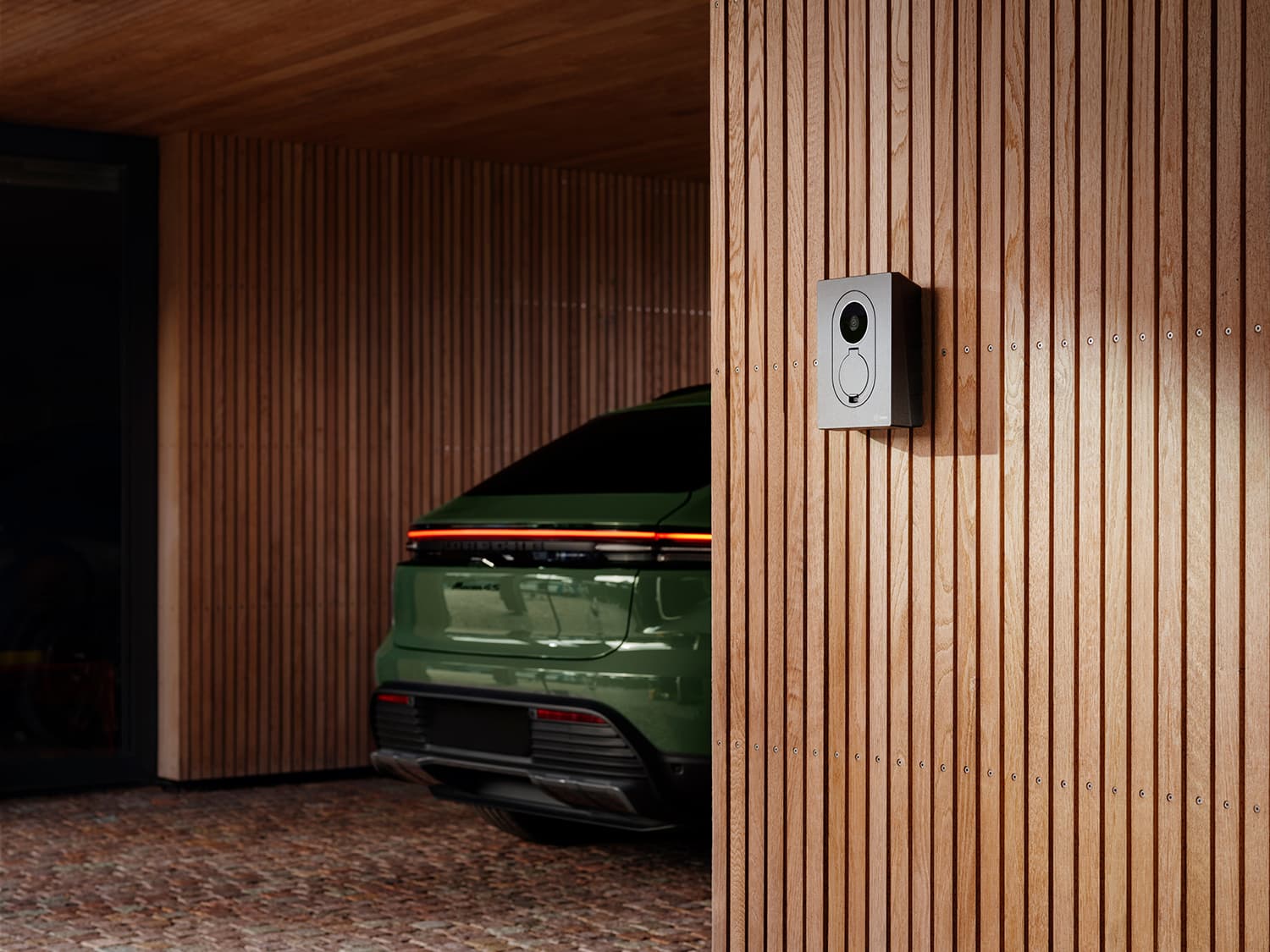
Rear of green car in carport with Zaptec Go 2 home charger mounted on wooden wall, sunlight casting shadows across the scene.

V2H vs V2G: what's the difference?

V2H powers your own home, behind your meter. Vehicle-to-grid (V2G) exports energy onto the public grid, and you get paid for it. Because V2H never exports, it is simpler to set up: no grid export approval, no supplier export agreement. V2G can pay you for the energy you send back, but it asks more of the car, the charger and the paperwork. If you want the full picture on grid export, you can find more information here.

Rear of green car in carport with Zaptec Go 2 home charger mounted on wooden wall, sunlight casting shadows across the scene.

Can V2H power your home in a power cut?

Sometimes, but not always, so check the spec rather than assuming. Many home setups are grid-tied and shut down during an outage for safety, which means they won't automatically run the house off the car unless they are specifically designed to. If blackout cover matters to you, ask whether the system supports it.

Yes, if a charger is certified V2G, it also works for V2H.

No. V2H keeps energy behind your meter, so it does not need G98 or G99 export approval. V2G does.

It does a similar job, using the car's much larger battery instead of a fixed wall battery. The trade-off is that the car has to be plugged in to help.

Explore our V2H chargepoints

Sleek design, the UK’s first V2G / V2H charger, and backed by a 5-year guarantee.

Explore the Go 2Explore the Go 2