• Charging solutions
    • Home Charging
    • Fleets at Work & Home
    • Apartments & Landlords
    • House Builders
    • Business & Workplace
    • Commercial Charging
  • Products
    • Zaptec Go Home Charger
    • Zaptec Go 2 Home & Commercial Charger
    • Zaptec Pro Commercial Charger
    • Zaptec Sense Load Balancing
    • Zaptec App
    • Zaptec Portal
    • Accessories
  • Partners
    • Become a partner
    • Existing partners
    • Partner webshop
    • Documents & manuals
    • Training courses
    • Partner marketing material
    • Integrations with Zaptec
  • Resources
    • EV Charging Insights Blog
    • Case studies
    • Industry news
    • Inside Zaptec
  • Company
    • About us
    • Our journey
    • Quality and safety
    • Sustainability commitments
    • Investor Relations
    • Careers
  • Contact

Explore our solutions

Charging solutionsCharging solutions
Documents and manualsDevelopersZaptec portalPartnersInvestor relationsPress0808 175 4780SupportCookie PolicyPrivacy Policy
FacebookInstagramLinkedInTikTokYouTube
  1. Home /
  2. Info Hub /
  3. Zaptec and Polestar enter new expanded cooperation agreement

Zaptec and Polestar enter new expanded cooperation agreement

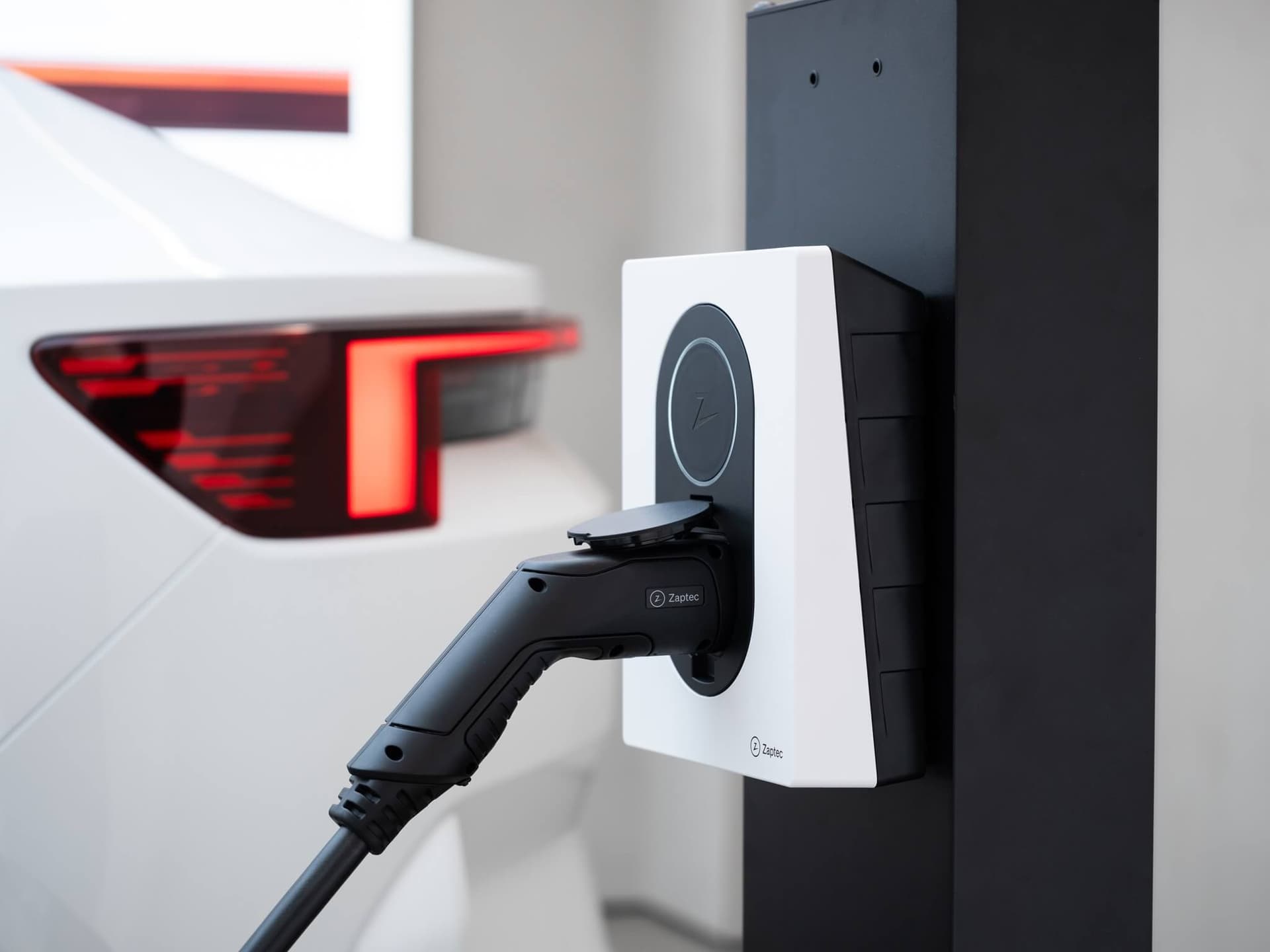
Building on two years of partnership, Zaptec and Polestar are extending their cooperation in a new two-year partnership agreement, continuing to bring smart, high-quality EV charging to Polestar customers, including in additional new markets.

Related:

Industry newsInside Zaptec

Zaptec and So Energy partner to deliver lower-cost, smarter and greener home charging.

The Zaptec Go 2 is now Mercury Trust Mark certified as a grid-ready charger

The Zaptec Index: The EV running cost index comparing EV, petrol and diesel across Europe

Article metadata

Date:
13.07.26
Read time:
2 minutes
Share:

Over the past two years, Zaptec chargers have supported Polestar owners across Polestar’s European markets. With the new agreement, the partnership will continue in existing markets and expand into new markets, such as the Baltics, as well as outside of Europe.

Renewing our cooperation with Polestar and expanding its geographical footprint, is a strong signal of what the two companies have built together over the past two years. Polestar owners expect the driving experience to be matched by the charging experience, and that is exactly what we are here to deliver.

Kurt Østrem, CEO at Zaptec
Share:

The continued partnership with Zaptec is an important enabler for providing a smart and high-quality home charging solution to our customers, both now and in the future, as electric vehicles become a more connected part of the wider energy ecosystem.

Olivier Loedel, Head of Software Product Management at Polestar
Share:

Zaptec and Polestar also continue their strategic collaboration on future solutions for bi-directional charging and vehicle-to-grid (V2G), exploring how electric vehicles can support the wider energy system in the future.

About Polestar

Polestar (Nasdaq: PSNY) is the Swedish electric performance car brand with a focus on uncompromised design and innovation, and the ambition to accelerate the change towards a sustainable future. Headquartered in Gothenburg, Sweden, its cars are available in 31 markets globally across North America, Europe and Asia Pacific.

Polestar has four models in its line-up: Polestar 2, Polestar 3, Polestar 4, and Polestar 5. Planned models include the Polestar 4 new variant (to be introduced in the last quarter of 2026), Polestar 2 successor (to be launched early in 2027), Polestar 7 compact SUV (to be introduced in 2028) and the Polestar 6 roadster. With its vehicles currently manufactured on two continents, North America and Asia, Polestar plans to diversify its manufacturing footprint further, with production of Polestar 7 planned in Europe.

Polestar has an unwavering commitment to sustainability and has set an ambitious roadmap to reach its climate targets: halve greenhouse gas emissions by 2030 per-vehicle-sold and become climate-neutral across its value chain by 2040. Polestar’s comprehensive sustainability strategy covers the four areas of Climate, Transparency, Circularity, and Inclusion.