• Charging solutions
    • Home Charging
    • Fleets at Work & Home
    • Apartments & Landlords
    • Built Environment
    • Business & Workplace
    • Commercial Charging
  • Products
    • Zaptec Go Home Charger
    • Zaptec Go 2 Home & Commercial Charger
    • Zaptec Pro Commercial Charger
    • Zaptec Sense Load Balancing
    • Zaptec App
    • Zaptec Portal
    • Accessories
  • Partners
    • Become a partner
    • Existing partners
    • Partner webshop
    • Documents & manuals
    • Training courses
    • Partner marketing material
    • Integrations with Zaptec
  • Resources
    • EV Charging Insights Blog
    • Case studies
    • Industry news
    • Inside Zaptec
  • Company
    • About us
    • Our journey
    • Quality and safety
    • Sustainability commitments
    • Investor Relations
    • Careers
  • Contact

Explore our solutions

Charging solutionsCharging solutions
Documents and manualsDevelopersZaptec portalPartnersInvestor relationsPress0808 175 4780SupportCookie PolicyPrivacy Policy
FacebookInstagramLinkedInTikTokYouTube

Chargepoint grants for on-street parking

If your home has no driveway, this is the grant for you. £500 towards a chargepoint, on the condition that you install a permanent cross-pavement solution.

At a glance

What: £500 per socket, capped at 75% of cost.

Plus: A permanent cross-pavement solution (channel/gully or pop-up bollard). Cable mats and temporary covers do not count.

Who: UK householders without designated off-street parking.

When: Apply before installation. Grant ends 31 March 2027.

What counts as a permanent cross-pavement solution

OZEV is specific about this. Eligible solutions are physical infrastructure built into the pavement that lets the cable cross safely without becoming a trip hazard. The two common forms are:

  • Cable channels (gullies): a recessed channel cut into the pavement that the cable sits in, with a flush cover. There are several options in this space; your council may have a preferred specification.
  • Pop-up bollards: a powered pillar that rises and lowers; the cable runs under the pavement and emerges at the bollard.

Cable mats, rubber covers and "dangle it over the pavement when you’re charging" do not qualify. The infrastructure has to be permanent and approved by the local highways authority.

Your council needs to say yes first

Not every UK council has a process for approving cross-pavement solutions yet. Some have a shortlist of approved manufacturers. Some require a section 50 licence under the New Roads and Street Works Act. Some are still working out their policy. The grant application asks for evidence that your highways authority has consented, so this is the step that decides whether the grant is even possible for your address.

Northern Ireland is an exception: the Department for Infrastructure licenses cross-pavement installations across the whole region centrally, rather than each council having to approve products separately. That makes NI one of the easier parts of the UK to get an on-street install completed.

Scotland runs a separate pilot grant of up to £3,500 per household towards the cross-pavement solution in East Lothian, Renfrewshire and Perth & Kinross. This grant can be combined with the £500 OZEV grant for the chargepoint. Other Scottish councils may join the pilot.
What the grant doesn’t give you

The grant funds a chargepoint and a piece of pavement infrastructure. It does not give you:

  • Ownership of the parking space. If someone else parks there, you can’t make them move.
  • A guarantee of access. Your council can change parking rules, run roadworks, or restrict the road.
  • A right to charge over the pavement without the cross-pavement solution. Trailing a cable across the pavement is a trip hazard and may be a public nuisance under highways law in your area.

How to apply, step by step

Check whether your local highways authority approves cross-pavement solutions, and if so, which solutions. Check council websites and speak to licensing teams to be sure.

  1. Get a quote covering both the chargepoint (OZEV-approved model, OZEV-authorised installer) and the cross-pavement solution.
  2. Apply via Find a Grant. Upload council consent evidence, planning permission where required, and the OZEV-approved EV details.
  3. Once approved, install both the chargepoint and the cross-pavement solution. Your installer needs to take photos to verify the installation.
  4. Installer claims the £500 (you never pay it upfront).

Zaptec products that qualify

Zaptec Go

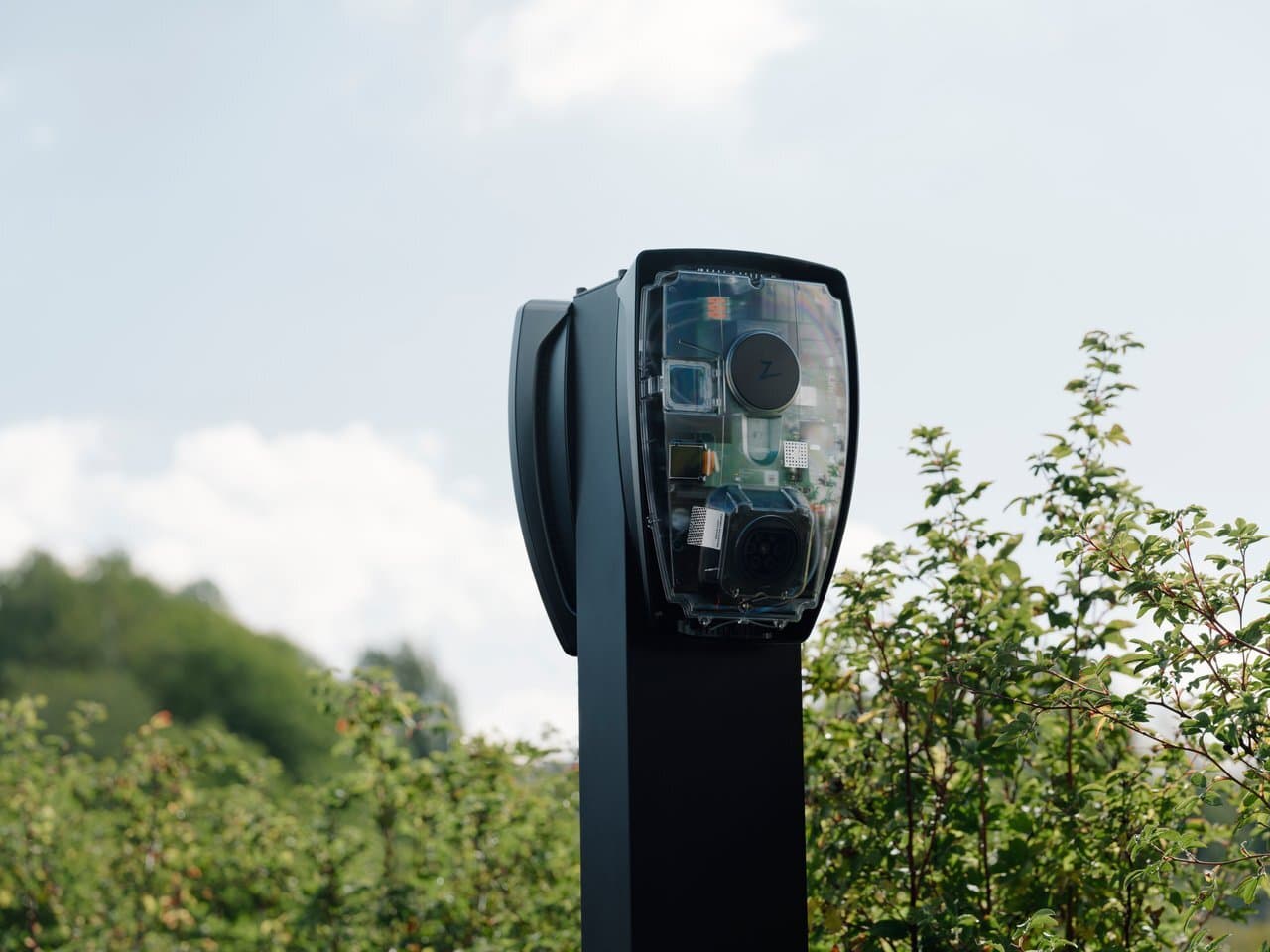
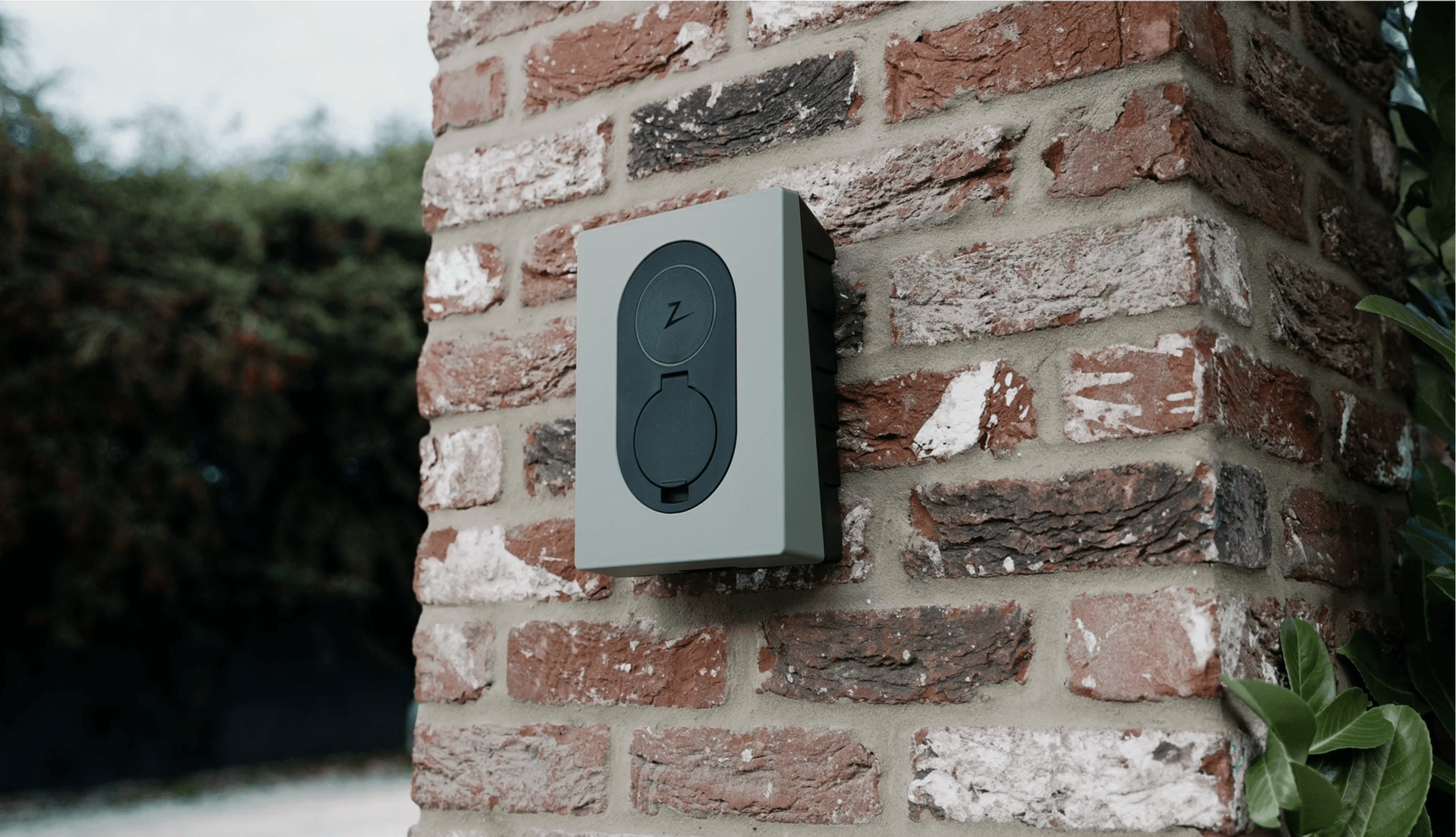
Outdoor-rated, smart-charging compliant, on the OZEV approved list. The right pick for the chargepoint side of an on-street install.

Zaptec Go

Frequently asked questions

You can’t apply for this grant. Public charging is the realistic alternative, and your council’s LEVI rollout (England) or equivalent (Scotland, Wales, NI) is what funds it. Check what’s coming to your street via your council’s EV strategy.

Depends on title boundaries. If the parking is on land you own or have exclusive rights to, it’s the renters and flat owners grant. If it’s on the public highway, it’s this one. Your installer should be able to read the deed; if not, the local Land Registry record will.

Each household applies for its own grant. Whether you can share the physical channel depends on what your council approves - some allow shared installations, some don’t.

In East Lothian, Renfrewshire and Perth & Kinross, yes. The OZEV £500 funds the chargepoint, the Transport Scotland pilot funds the cross-pavement solution. Apply through your council, who routes you to Energy Saving Trust.

Enquire about cross-curb chargers

Take advantage of OZEV's on-street charging grants today.

Get in touchGet in touch