The car powers an appliance directly through a socket or adapter, for example a laptop, a power tool or a kettle on a campsite.
Everything you need to know about bidirectional charging
V2G, V2H, V2L and V2X are all related, but with important differences.
What is bidirectional charging?
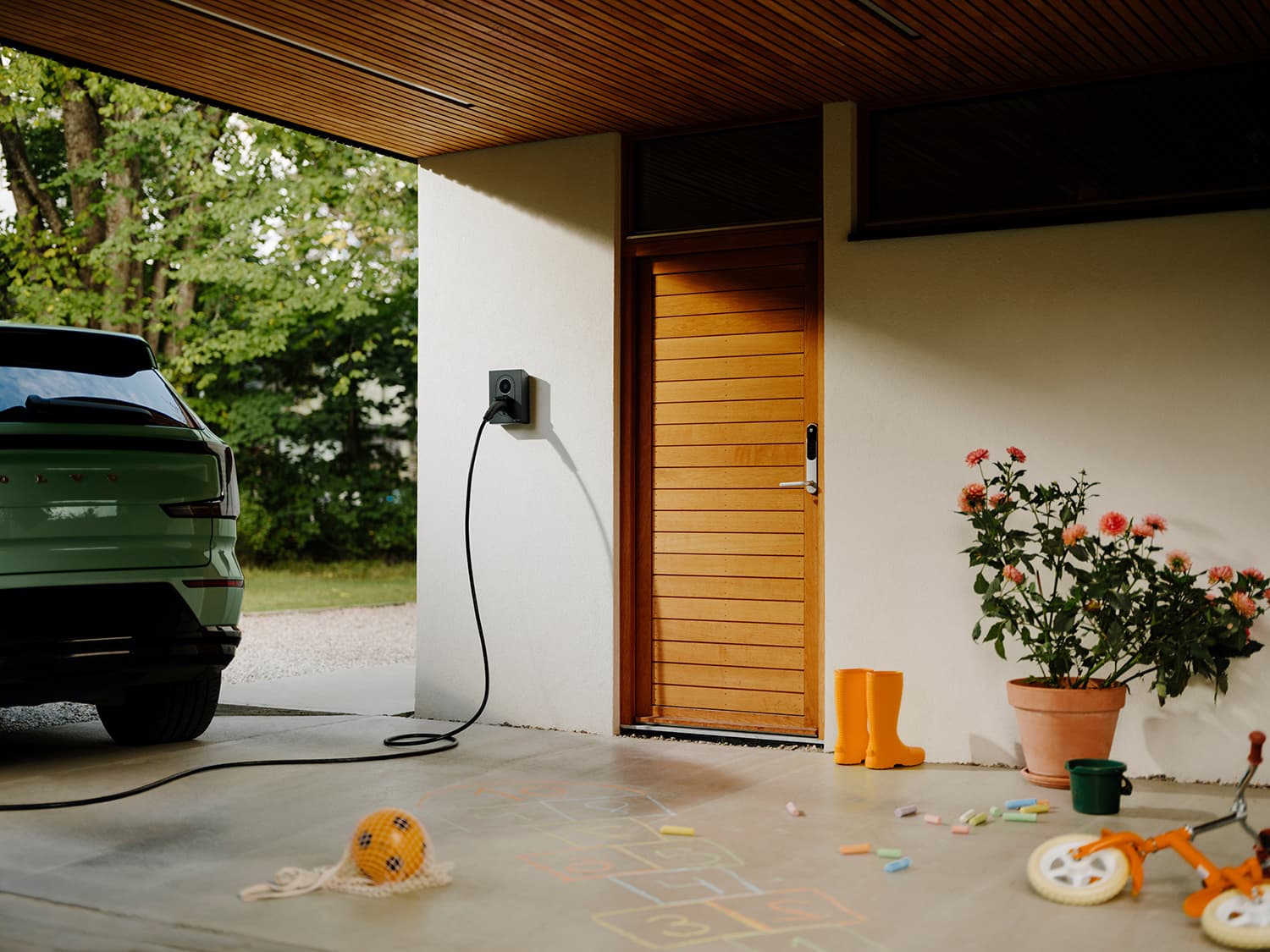
Bidirectional charging means an electric car can send energy out as well as take it in. A normal charger only pushes power into the battery. A bidirectional setup can also pull power back out, to run an appliance, a home, or the grid. V2L, V2H, V2G and V2X are the four variants of that idea.
Vehicle-to-load (V2L)
Vehicle-to-everything (V2X)
The umbrella term that covers V2L, V2H and V2G together.

Discover our V2G chargepoints
Get your home ready for the next evolution of the grid. The Zaptec Go 2 is V2G certified, guaranteed for 5 years, and installs in minutes.
Vehicle-to-load explained
Vehicle-to-load is the most common variant today. The car acts like a giant power bank: you plug an appliance into a socket on the car or into an adapter, and the battery runs it. No special wall charger, no grid paperwork. It’s commonly used by families when camping, tradespeople for their power tools, and even at home to keep freezers running through a power cut.
Vehicle-to-everything explained
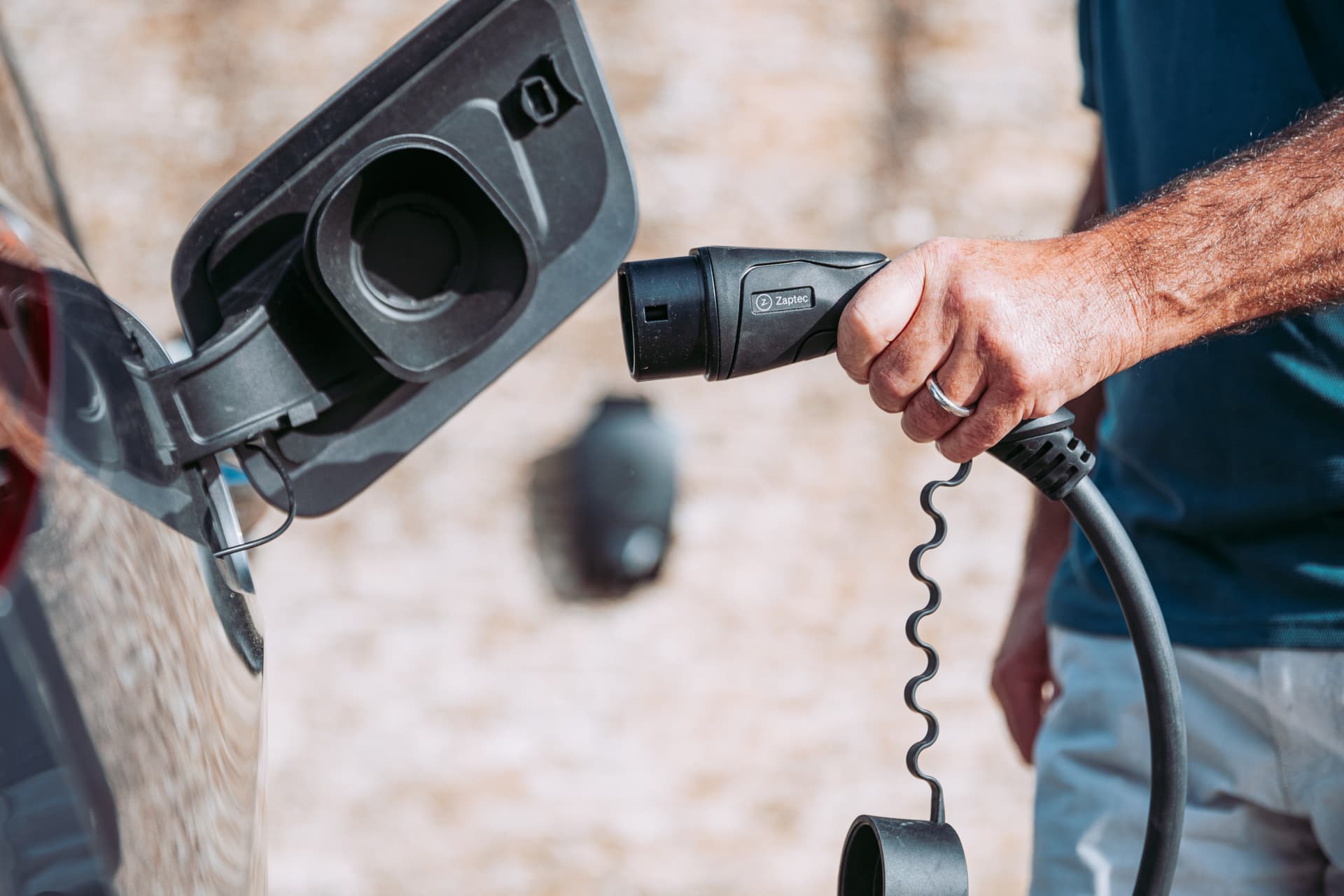
In charging, vehicle-to-everything is simply the catch-all term for a car that can send energy back, whether to a load, a home or the grid.
However, just because a car or charger is compatible with one V2X technology, it doesn't mean it is automatically compatible with another. There are many EVs on the market which support V2L but not V2H or full V2G - you can use the car battery to power a small appliance, but it cannot pass electricity back into your home's electrical system or the wider grid.
Do all bidirectional chargers needs grid permission?
No, only V2G. Because V2G exports electricity onto the public grid, it needs your network operator's sign-off (under engineering recommendations G98 or G99) and an energy supplier agreement. V2H and V2L keep energy on your side of the meter, so they don't. If you want the detail on grid export, the vehicle-to-grid hub covers it.

Explore our bidirectional chargers
The Zaptec Go 2 was the UK's first chargepoint certified for V2G / V2H, and is backed by a 5-year guarantee.