Local Electric Vehicle Infrastructure (LEVI) Fund
The LEVI fund is a pot of around £381 million for local councils to speed up electrification.
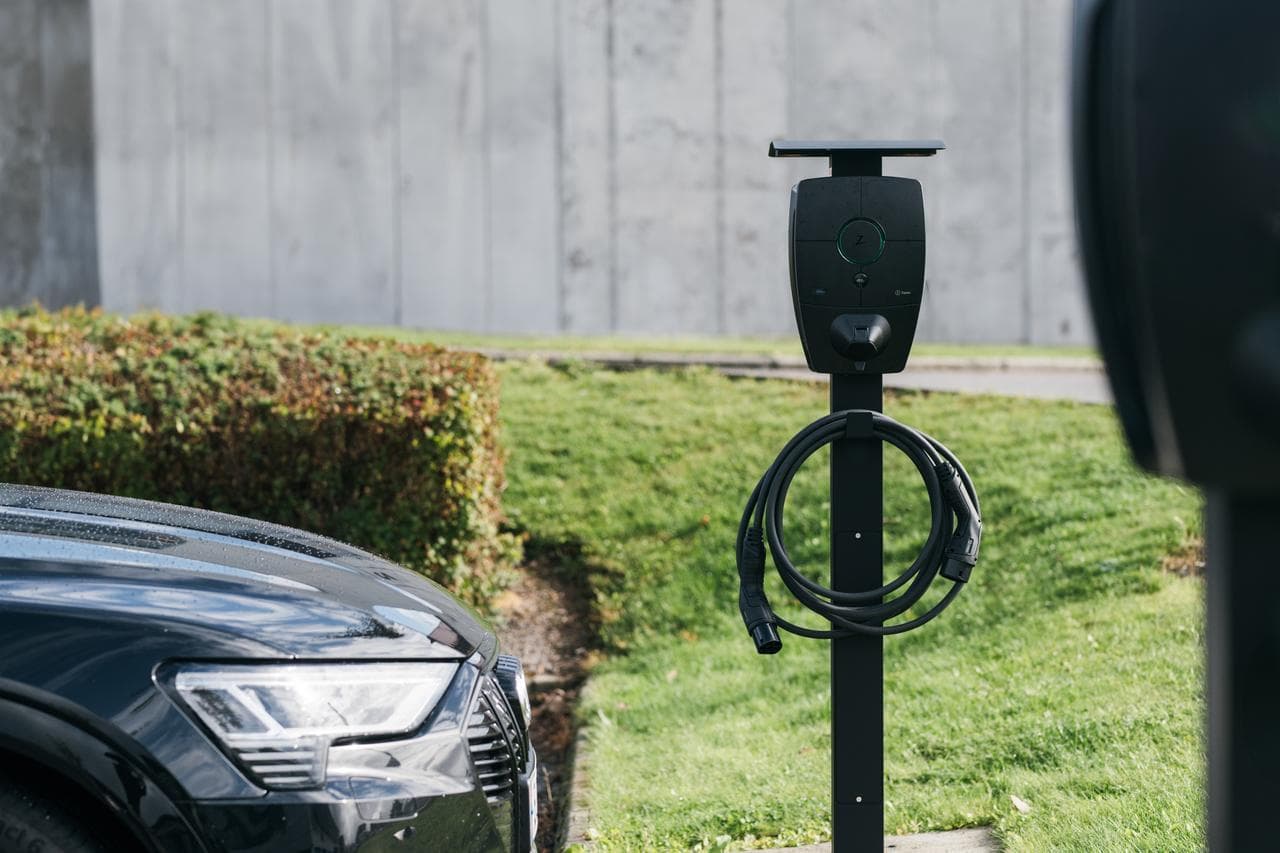
The LEVI fund is a pot of around £381 million for local councils to speed up electrification.
What: Approximately £381 million (£343m capital + £37.8m capability funding), with later top-ups for London, six new strategic authorities and integrated settlements for Greater Manchester and the West Midlands.
Where: England only. Allocated to Tier 1 local authorities; county councils, unitary authorities, combined authorities, London via borough partnerships through TfL.
Purpose: Deliver a step-change in residential and on-street chargepoint deployment ahead of the 2035 phase-out.
Status: Active. Tranche 1 LAs are progressing through procurement; multiple contracts have been awarded.
LEVI has two streams running in parallel:
Capital fund (~£343m) pays for the actual deployment. Chargepoint hardware, electrical connections, works, and other installation costs. Most of the deployment is lower-power on-street charging; rapid charging is eligible but only as a minority of any project.
Capability fund (~£37.8m) pays for council headcount, expertise and procurement support so that LAs can actually run a tender and manage delivery. The bottleneck for previous ORCS-era schemes was a lack of in-house capacity, and LEVI is designed to address that directly.
The fund is delivered by Energy Saving Trust, Cenex and PA Consulting as the LEVI Support Body, with OZEV as the policy owner.
It’s a three-stage process:
Tranche 1 LAs receive 90% of capital up front, with the final 10% on completion of a Post Approval Action Plan. Other LAs receive 100% of capital on Programme Board approval.
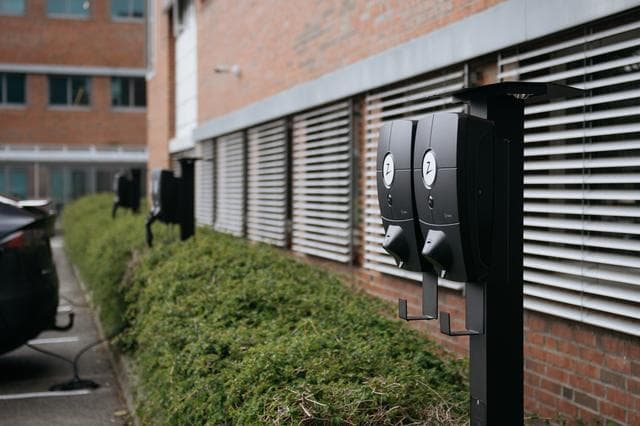
You can’t apply for LEVI directly. Three things you can do:
Track your council’s rollout. Most LAs publish their LEVI plans on their EV strategy or transport pages. If you have on-street parking and your council is in the LEVI programme, public charging on your street is likely within the next 2-3 years.
Suggest sites. Many LEVI-engaged councils run public consultations on chargepoint locations. Engaging early increases the chance of getting infrastructure where it’s actually needed.
For property managers and freeholders LEVI sometimes funds chargers on land that isn’t purely public highway, particularly where a council has a strategic interest in residential MFU coverage. It’s worth approaching your local LEVI lead if you have a large car park serving residents who don’t have driveways.
LEVI replaces the older On-Street Residential Chargepoint Scheme (ORCS), which closed to new applications in 2024, with ongoing projects completed by March 2025. ORCS over its lifetime supported tens of thousands of chargepoints across 177 councils, but it suffered from low draw-down because councils struggled to spec, procure and manage installations without dedicated EV capability. The LEVI capability fund is a direct response to that.
Outside England, devolved equivalents do similar work. Scotland has its own £17.8 million 2026/27 EV incentive package through Transport Scotland and Energy Saving Trust. Wales funds public charging through Transport for Wales rather than through local authorities directly. Northern Ireland’s Department for Infrastructure runs region-wide programmes.
Most Tranche 1 authorities are now through procurement and into delivery. Different councils have appointed different chargepoint operators (CPOs); the chargepoint hardware behind those CPOs varies. Zaptec works with several CPOs that have won LEVI awards - if you’re a local authority exploring a CPO contract and want to know whether Zaptec hardware is available, your CPO bidders can tell you directly.
If you’re a council, an installer, or a CPO bidding into a LEVI tender, we can support with hardware specification, technical due diligence on multi-charger architectures, and more.