
• Charging solutions
    • Home Charging
    • Fleets at Work & Home
    • Apartments & Landlords
    • Built Environment
    • Business & Workplace
    • Commercial Charging
  • Products
    • Zaptec Go Home Charger
    • Zaptec Go 2 Home & Commercial Charger
    • Zaptec Pro Commercial Charger
    • Zaptec Sense Load Balancing
    • Zaptec App
    • Zaptec Portal
    • Accessories
  • Partners
    • Become a partner
    • Existing partners
    • Partner webshop
    • Documents & manuals
    • Training courses
    • Partner marketing material
    • Integrations with Zaptec
  • Resources
    • EV Charging Insights Blog
    • Case studies
    • Industry news
    • Inside Zaptec
  • Company
    • About us
    • Our journey
    • Quality and safety
    • Sustainability commitments
    • Investor Relations
    • Careers
  • Contact

Explore our solutions

Charging solutionsCharging solutions
Documents and manualsDevelopersZaptec portalPartnersInvestor relationsPress0808 175 4780SupportCookie PolicyPrivacy Policy
FacebookInstagramLinkedInTikTokYouTube

Depot Charging Scheme for fleet charging

The Depot Charging Scheme (DCS) is the biggest grant the UK government has offered for fleet charging infrastructure. Up to £1 million per organisation, covering 70% of cost.
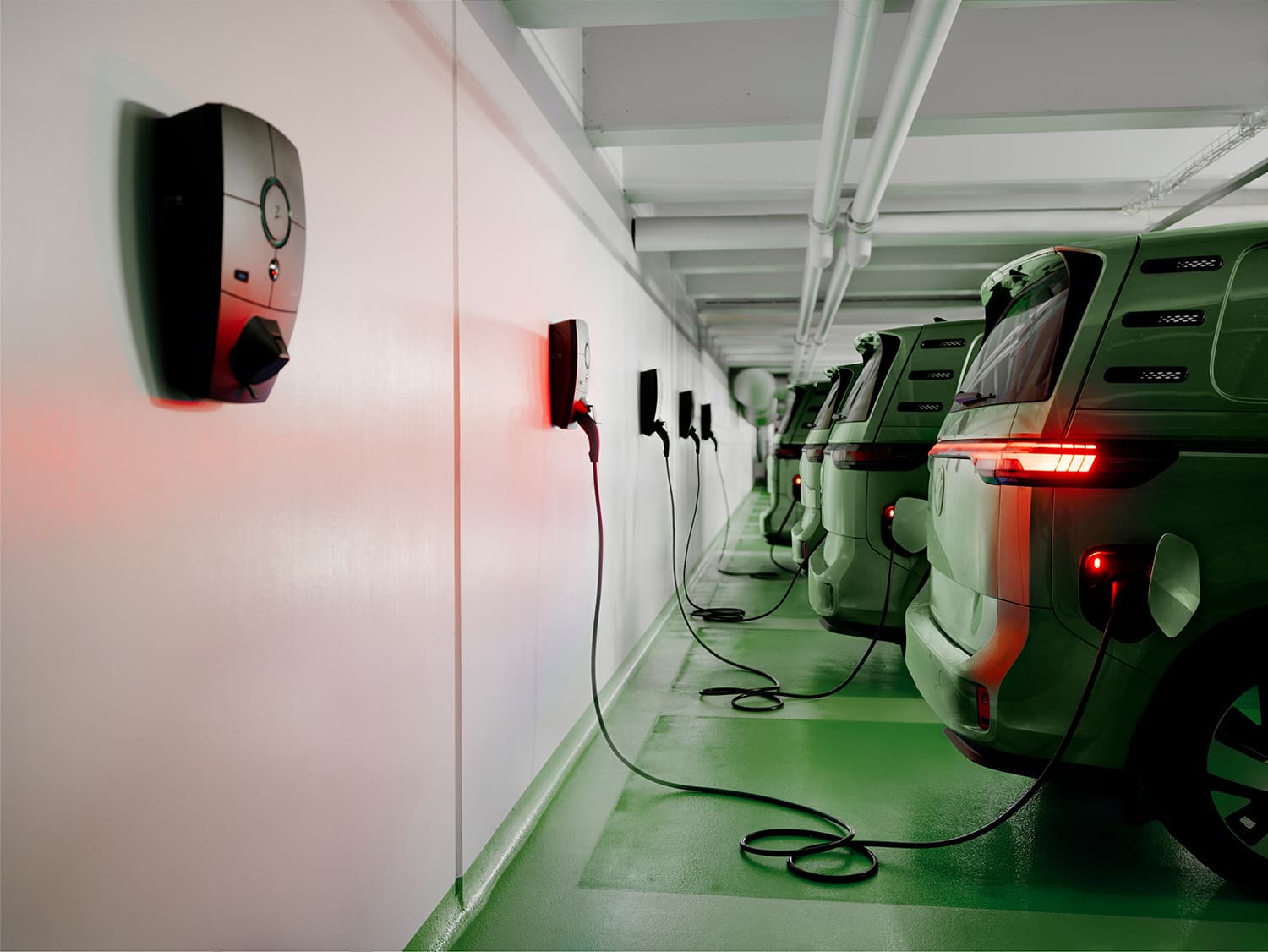
Row of green vans charging with Zaptec Pro chargers on white wall in parking garage, red taillights illuminated.

At a glance

What: Up to £1 million per organisation; 70% of cost in Window 1.

What it funds: Chargepoint hardware, civil engineering, electrical infrastructure, integrated battery storage, and dedicated solar PV.

What it does NOT fund: EV purchase, grid connection upgrades, public charging, hydrogen/hybrid charging.

Who: UK fleet operators owning or leasing at least one depot, with at least one battery-electric van, HGV or coach.

Window 1: Open 25 March 2026, closes 30 June 2026. £28m available; £1m cap per organisation; 70% of cost. Project completion by 31 March 2027.

Window 2: Opens 28 October 2026, closes 29 January 2027. £38m available. Grant rate not yet confirmed (OZEV has signalled rates will reduce).

How the Depot Charging Scheme works

The DCS is a £170 million multi-year programme running from April 2026 to 2030, announced as part of a £1 billion fleet decarbonisation package on 25 March 2026. It runs in application windows, with £66 million committed across the first two (£28m + £38m) and £104 million reserved for windows in 2028/29 and 2029/30, with terms still to be confirmed.

Window 1 is on a first-come-first-served basis. To take advantage of the full 70% rate file early, and don’t bank on the same rate appearing in Window 2 - OZEV has been explicit that rates will reduce over the lifetime of the programme.

Important: grid connection upgrades are NOT funded

Eligible costs include chargepoint hardware, works, electrical infrastructure inside the depot, battery energy storage where it’s integrated with the charging system, and solar PV where it exclusively powers the chargepoints.

Grid connection upgrades are explicitly not eligible, neither is grid reinforcement. The application requires evidence of sufficient grid capacity already: a signed connection agreement, a DNO letter confirming capacity, or an accepted connection offer.

For fleet operators starting from a low-power site, this means the DCS funds the second half of the project, once you’ve already paid for the connection. Plan your DNO conversation before you intend to apply, not after.

Who can apply

  • UK commercial fleet operators that own or lease at least one UK depot.
  • Already own, lease, or have ordered at least one battery-electric van, HGV or coach (i.e. the application can’t be speculative).
  • Public-sector fleets, local authorities, non-profit organisations and the rental sector are explicitly listed as eligible.
  • Crown Dependencies (Isle of Man, Jersey, Guernsey) excluded.

The £1 million cap is per organisation across all sites, not per site. Multiple sites can be in a single application; only one application per organisation per window.

Stacking with vehicle grants

The DCS is designed to "work hand in hand" with the Plug-in Van Grant and Zero Emissions Truck Grant. The same operator can claim both for the same fleet conversion - the vehicle grants discount the vehicles, the DCS funds the depot infrastructure to charge them.

How to apply

  1. Confirm grid capacity. Get a connection agreement, a DNO capacity letter, or an accepted offer in writing, as the application requires it. This is the longest-lead-time item.
  2. Confirm at least one BEV is owned, leased or on order.
  3. Scope the project. Chargepoint hardware (BEV-only, hydrogen and hybrid aren’t included)and works inside the depot, optional integrated BESS or dedicated solar PV.
  4. Apply via Find a Grant. One application per organisation per window.
  5. Sign the Grant Funding Agreement before incurring costs. Only post-GFA expenditure is eligible.
  6. Deliver the project. Window 1 projects must be complete by 31 March 2027.

Zaptec products that qualify

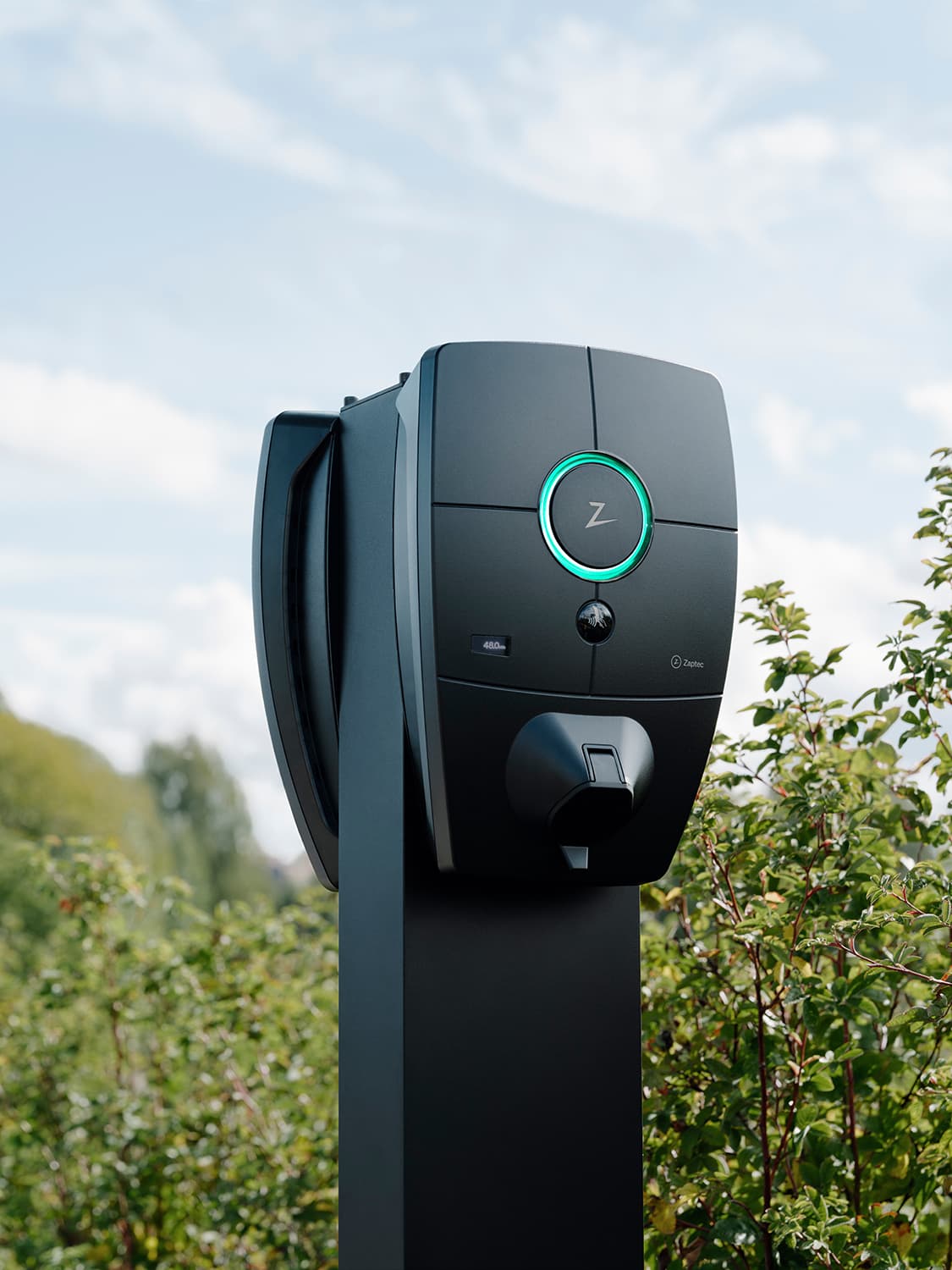
Close-up of Zaptec Pro charger mounted on column in parking lot, green light ring, greenery and blue sky in background.

Zaptec Pro for depot charging

Patented load balancing maximises capacity. Single-cable architecture cuts installation costs by up to 70%. Free Zaptec Portal for management. 5-year guarantee on all hardware.

Zaptec Pro

Frequently asked questions

No. The application requires evidence that capacity is in place (a signed connection agreement, a DNO capacity letter, or an accepted offer). Plan the DNO process first; come back for the DCS once that’s settled.

Public authorities are subject to the Subsidy Control Act 2022 but exempt from the Minimal Financial Assistance threshold the WCS applies. The DCS terms are explicit on subsidy control; your finance team should review the GFA before signing.

Yes, the rental sector is explicitly named as eligible.

OZEV has stated rates will reduce over the lifetime of the programme. Window 2 rate is not yet confirmed; assume it will be lower and act accordingly.

Not on the same chargepoint. Different sites or different chargepoints yes, in principle, with separate eligibility evidence.

Scoping a depot project this year?

Our expert team is here to help you deliver your projects on time, maximising any Government grants you may be eligible for. 

Talk to a fleet specialistTalk to a fleet specialist