It is hard not to think about how we normally talk about energy storage. New projects are announced as “battery parks” or “grid‑scale storage”, as if the only way to store electricity is to build big boxes full of cells.
But we already have massive batteries everywhere. They are parked in driveways, car parks and streets. When people ask, “Why do we need V2G if we’re going to have grid‑scale storage?”, the answer is that cars already “have really big batteries in them”. Building only stationary batteries, while ignoring the ones we have already bought and deployed on wheels, will always be more expensive than it needs to be.
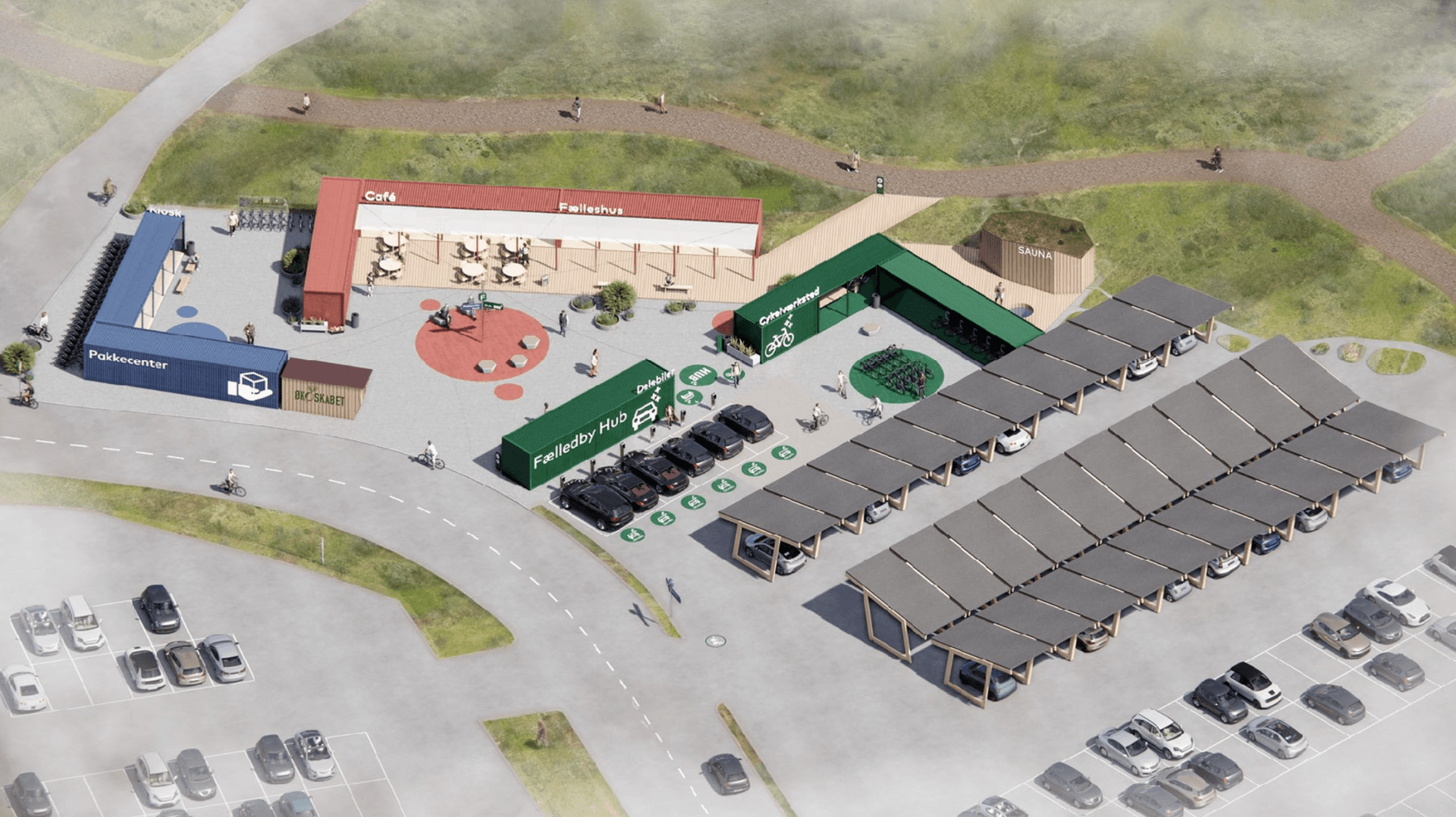
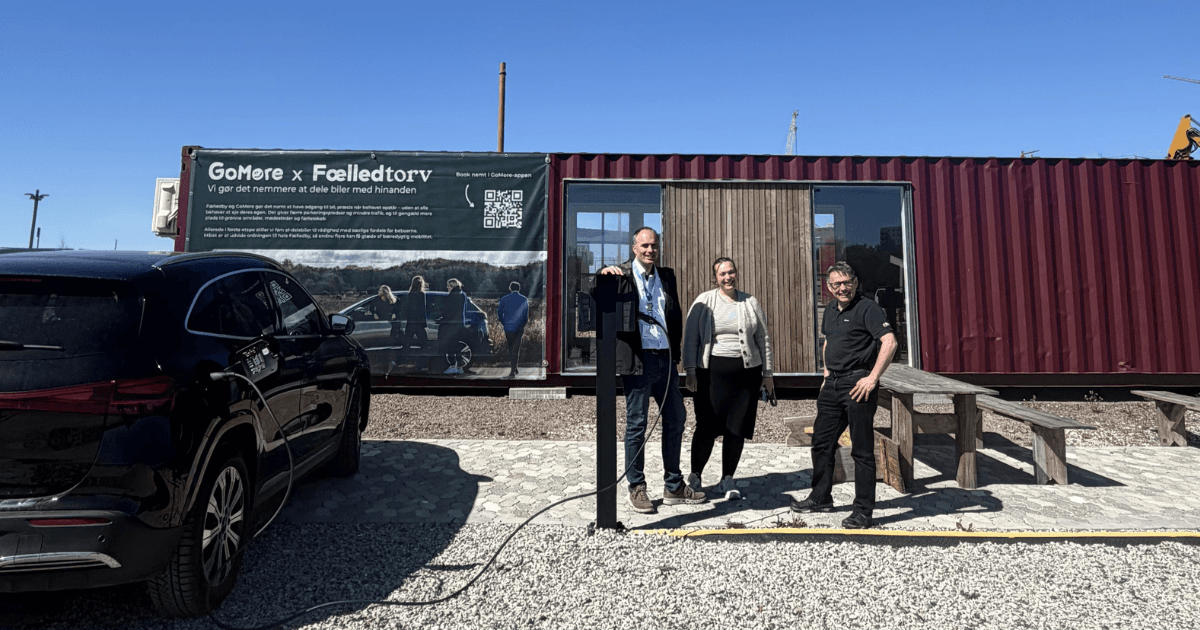
From an energy‑system perspective, a row of EVs parked at Danish Fælledby is not just a mobility solution. It’s a highly distributed, fast‑responding storage asset that can support the local grid, lower costs and help integrate more renewable power.
The really interesting part in Copenhagen is that the business case for the project has been built without counting V2G revenue. The numbers already work on solar, grid batteries and grid services. The business case has been built without taking the V2G into account, so any V2G value is on top. That is exactly the kind of robust foundation V2G needs.